

 Shopify blog

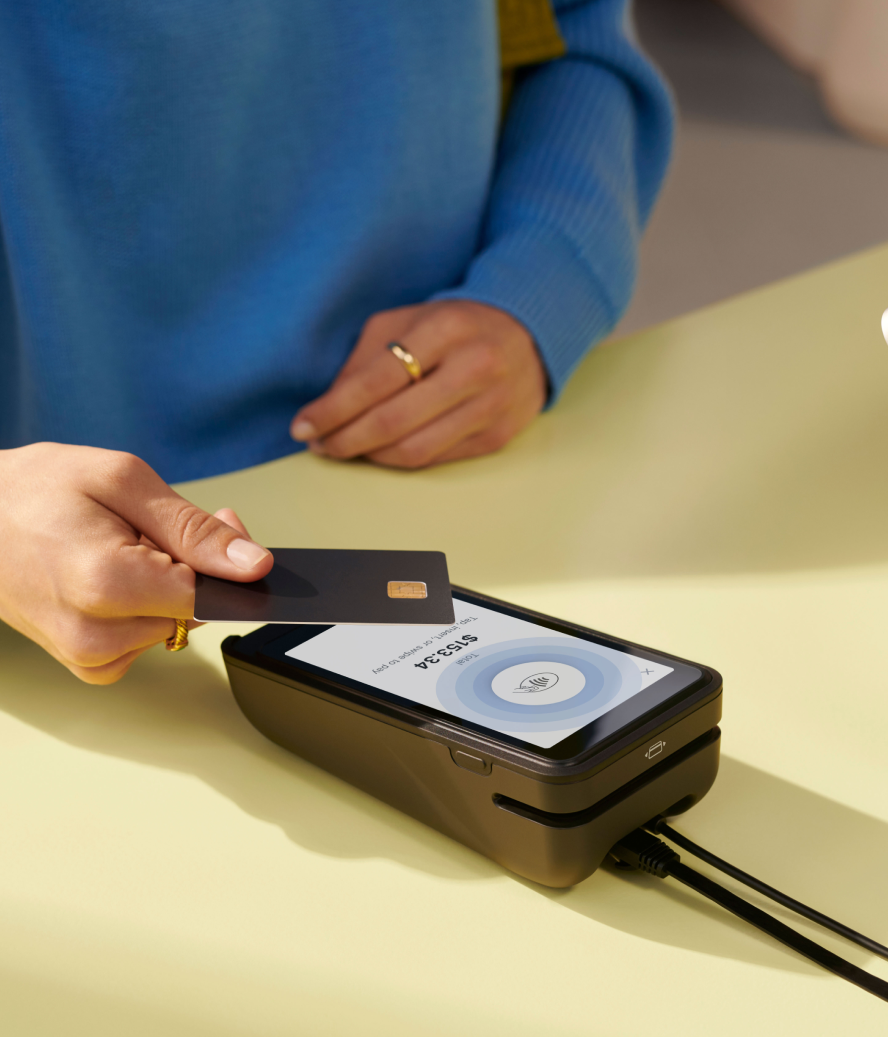

Returns have long challenged retail businesses, and the stakes are higher than ever. Total returns for the retail industry were projected to reach $849.9 billion in 2025.
You’ve sold a product to a customer, but they later return to your store asking for a refund. The item lands back on your shelf and the money exits your bank account. Offering store credit gives you a way to keep money within your business and improve customer loyalty.
Store credit is a powerful tool in your unified commerce toolkit that provides value to customers while encouraging them to spend more with your brand. By offering store credit instead of traditional cash refunds, you create a seamless experience that bridges online and in-store shopping journeys. It also prevents revenue loss and builds lasting customer relationships.
This guide shares how to leverage store credit as part of your unified commerce strategy to increase customer retention and drive business growth.
What is store credit?
Store credit is a monetary value issued by a retailer to a customer that can be redeemed for goods or services within the business’s digital and physical storefronts. It’s a closed-loop system made to offset returns and provide incentives for customers to continue shopping with the brand.
Characteristics of store credit are:
- 1:1 value ratio. The credit amount is equal to the price the customer paid for the item, including tax.
- Non-transferrable. It is tied to one customer profile and cannot be exchanged for cash or used at unaffiliated retailers.
- Store-use only. It can only be used for your inventory and has no value at other retailers.
- Flexible payments. Customers can use their credit to pay for part of a new purchase and cover the rest with a card.
- Omnichannel access. In a unified commerce setup, a customer can get credit for an in-store return and use it later to buy something on your website.
Knowing how store credit works is important for preventing revenue loss. When you give a cash refund, that money is gone. With store credit, the money stays in your bank account, so your initial customer acquisition cost continues to yield a return on investment and you increase customer lifetime value.
The only catch is that some customers still prefer cash, so your policy needs to be very clear at the point of sale to avoid any frustration later.
How does store credit work?
Retailers give store credit as money that customers can use later in their store. This money can’t be used at other stores or brands.
It’s not the same as a sale or discount. Instead, customers get something like a gift card or store credit card that’s just for them, and usually doesn’t expire.
Issuance
When a customer returns an item, your POS or ecommerce store generates a unique balance for that customer. This keeps the value within your business while compensating customers by giving them money they can use later in your store.
Beyond returns, you can also issue store credit as a goodwill gesture, for marketing campaigns, or as part of a loyalty and referral program. For most systems, there is a maximum limit that can be issued to a single customer account. Shopify’s limit is $15,000.
Balance tracking
Once you issue credit, it appears in the customer’s profile, which encourages them to return to shop again and ensures that the return was honored. Since the credit can only be used at your store, it guarantees a visit from repeat customers.
Customers can view their balance any time by signing into their customer account. As the administrator, you can also create customer segments based on store credit balances or upcoming expiration dates to send targeted reminders and drive traffic.
Usage at checkout
Customers then use their credit as a payment option at checkout. The credit does not have to be used, they don’t have to use it all at once, and can be used across multiple transactions until the balance is depleted.
If you’re using Shopify, credits are available as a payment method on your online store, POS, and the Shop app. To redeem it, a customer must be signed into their account. Note that store credit is usually not used for recurring subscriptions or on draft or edited orders.
Note: Store credit is a liability that stays on your books. Retailers have the option to set expiration dates for credit, provided they comply with local laws. If a customer has multiple credits with different dates, Shopify automatically uses the balance that expires first.
Benefits of issuing store credit
There’s a reason the world’s most successful retailers all use store credit: it offers flexibility and is a way to inspire customer spending and loyalty.
Here are the three main benefits of offering store credit in place of cash refunds.
Improve customer retention and loyalty
Store credit offers customers an additional incentive (on top of great products and customer experience) to come back to your shop. As one facet of a robust POS loyalty program, store credit gives you yet another tool to showcase to customers what their repeated business means to you.
Encourage customers to spend more
Using store credit to encourage customers to spend more money might seem counterintuitive, but it works.
Research on the “cashless effect” finds consumers tend to spend slightly more when paying with cashless methods versus cash. One reason is that paying by card tends to feel less painful than paying with cash. If a customer has $20 store credit, for example, they’re likely to spend above and beyond this figure, leading to higher sales.
Customers also feel better about spending more when stores offer a reasonable return policy. If you use store credit to allow for more flexible retail returns, you’re helping customers feel comfortable spending with you, which is the core of a good customer retention strategy.
Lose less revenue to returns
Returns and exchanges can put retailers in a bind. You want to be flexible and provide customers with a satisfying experience—but returns mean lost revenue. Store credit helps avoid losing revenue to returns by turning those transactions into exchanges instead.
As a small business, it would be difficult for us to absorb the cost of a return at this time. We have decided that once we open our third retail store, we will then offer [traditional] returns.
The National Retail Federation (NRF) reports that 9% of all returns are fraudulent, involving tactics like wardrobing or returning stolen goods. Store credit is a deterrent to this. It removes the quick cash incentive, so your business becomes a less attractive target for bad actors.
Take apparel stores, for example. Fashion customers are notorious for ordering several sizes of the same item and returning those that don’t fit—a tactic called bracketing.
Offering store credit instead of cash refunds allows you to ease the burden of returns on your bottom line by ensuring money stays within the business. It also helps improve the customer experience by providing a longer time frame or accepting returns without a receipt.
Considerations and potential challenges
Store credits are an excellent way to protect your bottom line, but they come with their own set of challenges.
Managing customer expectations
For many, store credit can feel less fair than a cash refund, especially if they didn’t know about your return policy ahead of time. Forcing store credit on a first-time buyer can make them feel negatively toward your brand.
The fix: Make your return policy crystal clear before checkout. Tell customers that their credit lives in their account and provide a direct link to the sign-in page during the return flow.
Put your return policy on product pages, in the checkout, and in the first line of your return confirmation emails. This builds customer trust from the very first interaction.
Navigating policy complexity
A simple return policy is your best defense against support tickets related to credits and refunds. It’s OK to add different rules for once-worn items, final sale, or damaged items, for example. But overall, your policy should be clear around redemption limits, order restrictions, and expiration.
The fix: Keep your return operations manageable. Set a few main rules and a short list of exceptions. Train staff to handle five to seven of the most common scenarios without needing a manager.
Tracking liability and financials
Store credit is effectively an outstanding debt until it’s spent. As your business grows, you need total visibility into how much money is sitting out there waiting to be used.
The fix: Use Shopify’s store credit transactions and outstanding store credit balance reports to track your total liability.
Beating the competition
If your competitors offer more attractive refund options, shoppers can abandon their carts because the return feels too risky. Brands don’t always make credit the only option, but they make it the best.
For example, store credit could be instant delivery with an added bonus value of $10 and free shipping. A card refund might involve slower processing, stricter return windows, and a potential restocking fee.
The fix: Upsell store credit as a VIP program. It protects your cash flow and makes customers feel they are getting a better deal by staying loyal to your brand.
Common types of store credit
There are eight main ways retailers issue store credit:
1. Returns and exchanges
When customers return or exchange merchandise, you offer store credit in addition to (or in lieu of) a full refund. If a shopper returns a $29 dress, for example, you could exchange it for a different size and/or provide $5 in-store credit to entice another purchase.
2. Store credit cards, financing, and layaway
Any time a retailer extends credit and allows customers to pay at a later date or incrementally, they’re issuing store credit.
Deloitte projects that the buy now, pay later market will continue to grow through 2030, reaching a global value of $911.8 billion. This includes Shop Pay Installments, which integrates with Shopify POS and allows customers to pay in smaller monthly installments.
Shop Pay installments is now 6.5% of our GMV. We’ve also seen a consistent increase in our average order value rate.
Will Beck, director of business development at Pillow Cube

3. Gift cards
When a customer buys a gift card, they’re essentially purchasing store credit to give to someone else. They get a personalized discount code—either digitally or via a physical gift card—which they can pass on to a friend to redeem the discount.
Gift cards are also used to hold store credit from returns or loyalty rewards. Retail associates can scan the barcode of a gift card to redeem the store credit on a future order.
4. Loyalty rewards
A customer loyalty program actively encourages previous shoppers to continue purchasing from your store. Retailers structure loyalty rewards in two ways:
- Points-based. Customers accumulate points to redeem for credit.
- Flat-amount. Rewards issued automatically when a shopper reaches a spending milestone or VIP tier.
Blume, for example, runs a points-based program where customers earn points (Blume Bucks) for purchases and engagement like customer reviews and birthdays. On purchases, Blume awards 100 Blume Bucks per $1 spent. However, if you level up to higher tiers, you earn more Blume Bucks per dollar spent.
5. Referral credits
Reward existing customers for bringing in new business. It’s common to use a double-sided incentives approach here, which means rewarding both the referrer and the friend.
Impact.com’s 2024 data shows 78% of programs use this model, though a gap exists—shoppers expect roughly $21 in value, while many brands offer only $10.
Panda Planner is a good example of rewarding customers with referral credits. Its “Give 10%, Earn 10%” referral program lets customers earn store credit on sales made through referral links.

6. Birthday and milestone credits
Automated credits for birthdays or customer anniversaries make shoppers feel valued. Birthdays are popular, but milestone credits like a 10th order or one-year anniversary are more profitable because they’re based on verified order history.
The best part is that they can also be automated. Omnisend’s 2025 research found that while automated emails represent only 2% of sends, they generate 30% of email-driven revenue. Vasanti Cosmetics is one retailer that offers various perks through its rewards program, one being 1,000 points on your birthday every year.
7. Registration credits
Another way to offer store credits is through registration, also known as a welcome offer. Whenever a customer makes an account or joins an email/SMS list, they can earn points to be used as store credit.
Ascent Nutrition’s rewards program offers a variety of ways to stack up store credit, from signing up for texts ($2.50 store credit) to joining the loyalty program ($1.50 store credit) to following the brand’s social media channels (50¢ per profile).

8. Review incentive credits
Offering store credit for reviews can help you gain social proof and UGC content, too. Liquid Death, for example, rewards customers with “skulls” for writing reviews, which can then be traded in for exclusive merchandise.
It’s an effective strategy, but FTC rules require transparency for incentivized reviews, so review those guidelines to stay out of trouble.
How to use store credit to increase customer retention
There are all kinds of ways your store can leverage credit, but here are three important ones.
Be charitable
A brand’s social responsibility mandate can come in all shapes and sizes, but they all have one thing in common: a financial commitment. That can be hard for smaller retailers to pull off.
By using store credit as your charitable contribution, your store can make more of a difference without directly impacting revenue. That could mean:
- Offering store credit to members, employees, or beneficiaries of nonprofits
- Donating gift cards to charities or causes you and your customers care about
- Asking customers which nonprofit they’d like to donate to at the checkout desk, and providing store credit to the one with the most votes each month
Donating store credit or gift cards is more realistic for many smaller retailers than donating cash, but it’s still important to take into account the increased costs.
Incentivize referrals
Consider the recent success of direct-to-consumer brands like Rothy’s and Warby Parker. Those businesses have seen a ton of growth by disrupting traditional industries. They also all offer well-publicized referral programs.
Your store can do the same by incentivizing word of mouth. Offer store credit in exchange for any referrals that turn into new customers.
As William from Classy Woman Collection says, “Offering incentives for customers who choose store credit, such as bonus points or discounts on future purchases, is a great way to gently guide your customers toward store credit options.”
Expand your return policy
Store credit (usually in the form of a gift card) is one way to add leniency and flexibility to your return policy. By replacing returns with store credit, you can offer a longer return time frame and be more flexible about receipts and tags required, all while ensuring you don’t lose out on revenue.
Alexa Allamano, owner of Foamy Wader, says, “We detail in our return policy online that orders are final sale. Exchanges and size adjustments are always allowed, but due to the handmade nature of our business, cash refunds may incur a 25% restocking fee. That restocking fee often converts return requests into exchanges.”
Create time-limited offers
Time-limited offers create urgency because it encourages customers to “use it or lose it.” But it works only when the deadline feels real and the rules feel fair.
Limited-time offers work well for:
- Post-purchase campaigns. Issue a small credit valid for 14 days immediately after a purchase to encourage a second order.
- Win-back campaigns. Target customers who haven’t shopped in more than 60 days with a limited time credit.
- Realistic deadlines. Anchor expiration dates to events like “Sunday at midnight,” “before the holiday shipping cutoff,” or “before your return window closes.” This makes your brand feel helpful rather than high-pressure.
Reward reviews and engagement
Collect UGC content and engage customers by offering store credit. Tie these rewards to high-impact situations so the more visible the review/content, the more rewards earned. For example:
- Base credit. For a standard text review.
- Bonus credit. For video content or answering specific questions on TikTok.
Remember that it’s illegal to buy reviews, and the FTC has strict guidelines around incentivizing them. Do your due diligence before implementing a rewards program for reviews and customer engagement.
It’s also important to note that platforms like Google and Yelp have strict policies against incentivized reviews. The best choice is offering store credit for reviews on your own website and being transparent about it.
How Shopify supports store credit
If you use Shopify to run your retail store, managing store credit is simple. Shopify provides several built-in tools that make it easy to issue, track, and redeem store credit.
- Issuing store credit. From your Shopify admin, you can add store credit directly to a customer’s profile. Staff will need the right permissions to manage this feature.
- Accepting store credit. Customers can use store credit as a payment method at checkout when they log into their customer account or use Shop Pay.
- Managing store credit settings. Store credit is enabled by default. You can control its visibility as a payment method through your Customer account settings.
- Setting expiration dates. To add urgency or meet specific policies, you can set expiration dates for store credit that expires at the end of the day in your store’s timezone.
- Refunding to store credit. If a customer used store credit to make a purchase, you can refund the amount back into their store credit balance.
Shopify makes store credit work well because it keeps all customer information in one place. Whether customers shop online or in your physical store, their store credit balance stays the same everywhere.
This makes giving and using credit easier for everyone. Your staff can see each customer’s shopping history, which helps them:
- Suggest products customers might like
- Give better customer service
- Handle returns more smoothly
With these features, Shopify allows you to offer store credit as part of your return and loyalty strategy, all while keeping money in your ecosystem.
Store credit is an opportunity for retailers
Store credit isn’t just a standalone feature—it’s a critical component of a unified commerce approach. When implemented through a unified platform like Shopify POS, store credit becomes even more powerful, because it works seamlessly across all your sales channels.
Retailers using unified commerce platforms like Shopify see 22% better total cost of ownership compared to Shopify competitors. This is because unified commerce eliminates the fragmentation that occurs when using separate systems for online and in-store operations.
With a unified approach to store credit:
- Customers can earn credit in store and spend it online (or vice versa), creating a truly channel-agnostic experience
- Staff have complete visibility into a customer’s purchase history and available credit balance regardless of where they shop
- Data flows in real time between all channels, ensuring accurate credit balances and preventing customer frustration
- Reporting is comprehensive, allowing you to track the impact of your store credit program across all touchpoints
This level of integration is possible only with a unified commerce platform that treats all sales channels as part of a single, coherent system—exactly what Shopify POS delivers.
Read more
- Post-Purchase Communications: Expert Tactics to Stay in Touch With Customers
- 5 Ways Retailers Can Generate Revenue Outside of Business Hours
- What Is Gross Sales and How Do I Calculate It?
- Shoplifting: Why People Steal and How Retailers Can Prevent It
- What Are Net Sales and How Do I Calculate Them?
- How to Put Together a Loss Prevention Plan for Your Store
- Return Fraud: How to Spot Scammers in Store and Protect Your Bottom Line
- Sales Objections in Retail: How to Overcome Pre-Purchase Concerns
- How to Deal With Retail Returns Professionally and Profitably
Store credit FAQ
What is an example of a store credit?
A customer returns an $80 jacket and chooses store credit over a refund. So, the retailer adds $80 to the customer’s store credit balance to use on a future purchase. Some brands may even offer a little extra in store credit to encourage an exchange rather than a refund.
How is store credit issued?
Store credit is typically issued as a digital balance in the store’s system or as a physical gift card when customers return items. The amount is usually set to match what the customer last paid for the returned item, including any discounts that were applied at purchase.
Is store credit the same as cash?
No, store credit is not the same as cash. Store credit is a type of payment that can be used to purchase items from a specific store, but it cannot be used as a general payment method like cash.
Is store credit better than a refund?
Store credit is better than a refund if the shopper plans to buy again soon. A refund is better when the customer wants to get their money back to the original method with no restrictions.
What is a store credit payment?
Store credit payment is a payment method that allows customers to buy items with a credit balance from a particular store. Previous customers can store the remaining balance and use it to pay for future transactions.

