

 Shopify blog

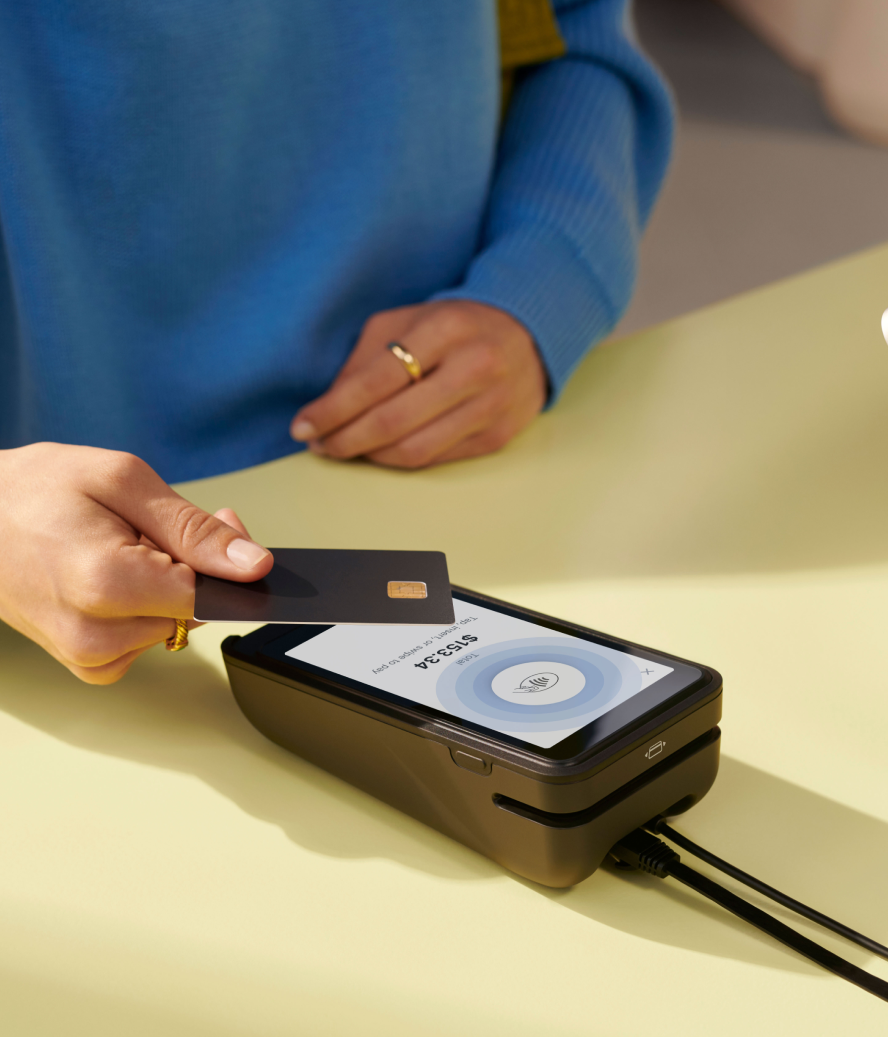

Merchant accounts are specialized bank accounts that temporarily hold card funds. They help authorize and settle credit or debit card transactions before the funds are deposited into a business bank account.
Card payments dominate retail spending. With 67% of US consumer spending flowing through cards in 2024, accepting them is essential for capturing sales.
Some vendors pair their merchant account with a third-party payment processor to keep sales flowing. Others choose integrated solutions like Shopify Payments, which bundles these services for seamless use.
Ahead, you’ll learn the basics of merchant accounts, account fees, and how to choose the right merchant service.
What is a merchant account?
A merchant account enables companies to accept credit and debit card payments. When a customer purchases a product using an electronic payment method, a merchant account acts as the intermediary. It communicates with the card issuer, withdraws funds from the customer’s account, and credits the merchant.
Types of merchant accounts
The right merchant account for your business depends on your sales environment—in other words, how and where you accept customers’ payments.
Common options include:
Retail merchant accounts
Retail merchant accounts are designed for brick-and-mortar businesses where customers tap, chip, or swipe their cards at a checkout counter. Since cards are physically present during the transaction, they are considered lower risk and settled via a point-of-sale (POS) system, such as Shopify POS.
Ecommerce merchant accounts
If you only sell online, you need an ecommerce or card-not-present account. These accounts work with a payment gateway to send card data from your checkout page to the bank. Since you can’t see the cards in use, ecommerce accounts have built-in security features to prevent fraud.
Mobile merchant accounts
Mobile merchant accounts are perfect for pop-up shops, farmers markets, or delivery services, letting you take payments on the go with a mobile device.
Mail order/telephone order (MOTO) accounts
If you manually type card information into a virtual terminal on your computer to process payments, this card-not-present type of account is for you.
High-risk merchant accounts
Some businesses are considered high-risk because they operate in heavily regulated industries or experience frequent chargebacks and fraud. If your business falls into this category, you’ll need a specialized account with tighter monitoring and additional controls to keep the payment networks happy.
Merchant account versus payment facilitator
The biggest distinction between merchant accounts and payment facilitators is ownership.
- With a merchant account, you have a direct relationship with the bank. You are the account holder, you have your own ID number, and you deal with the processor.
- A payment facilitator (PayFac) owns a single master account and lets thousands of smaller businesses, called sub-merchants, sell under its umbrella. It’s like renting a room in a large building versus owning your own house.
| Merchant account | Payment facilitator | |
|---|---|---|
| Setup | You have a direct relationship with the bank. | You are a sub-merchant under the PayFac’s account. |
| Speed | Slow, with more checks upfront. | Fast, designed to get you selling quickly. |
| Responsibility | You and the bank share the load. | The PayFac handles security and compliance. |
| Statement name | Your store name | PayFacName * YourStoreName |
| Best for | Businesses that want control. | Businesses that want simplicity. |
How does a merchant account work?
- A transaction passes through an encrypted payment gateway
- A merchant account receives and temporarily holds the funds
- The funds are transferred from the merchant account to a business bank account
1. A transaction passes through an encrypted payment gateway
When a customer purchases one of your products with a credit card, your payment gateway contacts the card issuer to verify that the cardholder has sufficient funds to complete the transaction. This step in the transaction verifies the card to ensure it hasn’t been flagged for fraud or reported as stolen.
2. A merchant account receives and temporarily holds the funds
Your merchant account communicates with the customer’s card issuer to confirm the transaction. Once approved, the merchant account charges the customer’s credit card for the transaction amount.
The funds are held temporarily while the transaction moves through the card network for final processing. Customers see a “pending” charge on their bank statement before the transaction clears and the money is moved.
3. The funds are transferred from the merchant account to a business bank account
For a fee (typically 3% to 5% of the total), the merchant account provider settles the transaction by depositing funds into your company’s bank account.
Deposits don’t land in your bank account the minute a transaction goes through. Instead, they’re processed in batches toward the end of the working day or week.
Merchant account fees
Merchant services should support your business, not drain it with excessive fees. It’s important to understand what credit card processing entails and the associated costs.
Pricing models explained
Picking a pricing model often comes down to a trade-off between cost and simplicity. There are three ways processors charge you:
- Interchange-plus pricing. You pay the exact fee the card networks like Visa or Mastercard charge, plus a clearly defined markup to your processor. Your bill will vary month to month based on the mix of cards your customers use.
- Flat rate pricing. You pay a fixed percentage on every sale, regardless of card type. Fees are predictable, and bookkeeping is simple.
- Tiered pricing. Processors group sales into pricing buckets, such as qualified and non-qualified. The teaser rate usually applies only to the simplest card types, such as basic debit cards, while many transactions are charged at higher tiers. This makes it harder to predict and track your true costs.
Common merchant account fees
The most common fees you’ll see on your accounts as a merchant are:
Setup fee
You’ll often pay a one-time charge when you first open your merchant account. Some providers might waive this fee if you process many sales or if they’re running a special offer.
Monthly minimum fee
You pay this when you don’t reach a certain amount of card sales in a month. For example, if your minimum is $50 but you only processed $35, you’ll pay an extra $15 to make up the difference.
Annual fee
This yearly fee covers basic account services and maintenance. It usually costs between $99 and $199 and is automatically charged to your account once a year.
Batch fee
You pay this each time you send a day’s worth of transactions for processing in a single batch. These fees typically cost 10¢ to 30¢ per batch, no matter how many sales you’ve included.
Chargeback fee
This fee kicks in when a customer disputes a charge and receives a refund. You’ll pay roughly $15 to $100 each time it happens, even if you prove the charge was valid, so keep good records.
Early termination fee
This charge is a penalty for ending your contract early. It can be expensive—either a flat fee of $300 to $500 or the sum of the monthly fees for the remaining contract time—so read your contract carefully.
The easiest way to get a merchant account
- Organize the necessary documents
- Choose a provider
- Apply for a merchant account
- Gain approval and set up your account
1. Organize the necessary documents
Here are the commonly required documents you’ll need to collect for your account application:
- Business information and company name
- Contact details
- Documentation showing how long you’ve been in business
- Bank account details
- Financial statements
- Business license
- EIN (employer identification number)
- Tax documents
- Articles of incorporation (if applicable)
- A functional ecommerce website (for online businesses)
- Proof of physical location (for brick-and-mortar stores)
- Processing statements from the current provider (if available)
💡 Tip: If you are already using a credit card processing tool, share this information with your merchant account provider to ensure fast approval.
2. Choose a provider
Before applying, research and select a merchant account provider that fits your business needs. Consider factors such as:
- Transaction fees and pricing structure
- Contract length requirements
- Customer support quality
- Integration with your existing systems
- Industry specialization
- Pricing model
Each payment provider has different strengths. For example, Shopify Payments integrates seamlessly with ecommerce stores and eliminates the need for third-party payment gateways if you’re already using the Shopify platform.
3. Apply for a merchant account
After you have gathered all the necessary information about your company, it’s time to submit your application. The processor may want to check your personal and your business credit score to ensure your business is financially sound.
At this point, you may also have to pay an application fee to your merchant account provider. Complete the application accurately and thoroughly to avoid delays.
If you don’t have one already, you can usually set up your payment gateway when you create a merchant account.
💡 Tip: Remember to include a cover letter along with your application, stating what your business does and why you require a merchant account.
4. Gain approval and set up your account
The merchant account provider will check your risk level before approving your application. They will consider the following criteria:
- How long you’ve been in business
- Any defaulted payments or bankruptcies
- Status of previous merchant accounts (if applicable)
- Type of business
Respond promptly to requests for additional information or documentation during this phase. The approval process can take anywhere from a few days to a few weeks, depending on your business profile and the provider.
The processor will consider your business less risky if you process transactions in person rather than online or by phone. To lower risk, the merchant account provider may seek address verification. The merchant account provider will likely approve your application if you fall into its low-risk category. The provider may approve riskier applications, but at a higher fee.
Choosing a merchant services provider
Keep these criteria in mind when looking for a merchant account provider:
Costs and fees
Credit card processing rates vary by transaction type, card used, and your store’s monthly processing volume.
Clarifying your provider’s pricing model is a crucial first step, as it will dictate your baseline costs. Be sure to choose a model that aligns with your transaction volume to keep bills reasonable.
Try to understand potential “hidden fees,” such as:
- Cancellation fees. The money you pay when you stop using a credit card service.
- Early termination fees. Extra charges if you quit before your contract completion date.
- PCI non-compliance fees. Payment card industry penalties you’ll face if you don’t follow the rules for handling credit cards.
- Chargeback fees. What you pay when a customer says, “I didn’t buy that” and gets a refund.
- Account change fees. Costs for updating information like your business name or bank details.
- Equipment rentals. Monthly payments for rented card machines.
These kinds of fees may be charged separately from your processing fee and can add up quickly. Before opening a merchant account, compare multiple vendors and price out what a typical day of sales and transactions might look like.
Hardware
Can you manage with a mobile app and a simple card reader, or do you need a full POS system? Choose a provider that gives you the hardware you need at an affordable price.
Customer service
A merchant account is a fundamental part of your business operations, so once you’ve chosen a provider and set up its services, you’ll likely be using it for some time. For this reason, look for providers who will help with any issues you may encounter, big and small.
Test providers’ service quality by calling them during peak hours and noting their response and resolution times.
Integrations
Find out what integrations your merchant account supports and whether they offer flexibility for your storefronts and customers. For instance, with Shopify and Stripe, you can instantly get end-to-end merchant account solutions and reap the benefits of payment gateway and merchant account functionalities combined.
Volume
If you plan to scale your business, you can expect your processing volume to grow. Consider a provider that can process an unlimited number of transactions and handle unlimited dollar volume without hitting you with fees.
Tips for getting a merchant account
Follow these tips to improve your chances of securing an account:
Separate your personal and business affairs
Don’t mix business with pleasure when it comes to banking. Establish a dedicated business bank account and look into business credit cards before applying for your merchant account. Providers will take your business more seriously, and your retail accounting will be far more manageable come tax season.
Polish your credit profile first
Your credit history tells a story about financial responsibility. Before submitting applications, request your personal and business credit reports, address any errors, and consider delaying your application if your scores need improvement. A stronger credit profile often translates to better rates and faster approval.
Understand that approval takes time
Build the approval timeline into your business launch plans, allowing up to four weeks for the process. Using this time to perfect other aspects of your business setup keeps the momentum going while the approval process plays out behind the scenes.
Know your risk profile
If your industry has high chargeback rates or if your business model raises traditional flags, you may have to forgo working with conventional providers.
Seek specialized high-risk merchant account providers who understand your business model and offer appropriate solutions, even if they come with higher fees.
Mainstream providers may freeze or even terminate accounts when they see a sharp rise in disputes or other risk signals. High‑risk processors design their underwriting and monitoring around these patterns, so they’re more prepared to manage them—but they can still impose reserves, delays, or freezes if risk gets too high.
Benefits of a dedicated merchant account
Unless you plan to use an integrated solution, such as Shopify Payments, you’ll need a merchant account to accept credit card payments.
Here are some benefits to setting up a merchant account and payment gateway:
- Improved cash flow. You’ll often receive deposits within a few business days of each sale, sometimes as fast as one or two working days, depending on your provider and plan.
- Easy money management. You can process all payments with a point-of-sale (POS) system, and if you’d like, go fully cashless for smoother money management.
- Better customer experience. Your customers are in for a hassle-free shopping experience when they can shop and make payments using the payment methods of their choice.
- Secure payment processing. Payment gateways reduce fraud risks and protect your business and customers during transactions.
- Fuel for growth. Once your account is active and cash flow is steady, you can invest in your business. Many merchants look into business financing at this point, considering options like a revolving line of credit to fund ongoing inventory needs.
Accept card payments with a merchant account (or Shopify Payments)
Whether you run a retail store or an ecommerce website, your business needs a way to accept customer card payments.
The traditional solution is a merchant account, which acts as a bridge between your bank account and the customer’s card issuer, settling your sales so you don’t have to wait for customers to pay their credit card bills.
Acquiring banks charge transaction fees for merchant accounts, so do your research to find the right account type and pricing structure for your store.
Or, use an integrated payment solution like Shopify Payments. With Shopify Payments, you get all the benefits of a merchant account—secure payment processing, fast deposits, and competitive rates—without a complicated application process, third-party payment provider fees, or integration headaches. You also gain a unified view of customers across all channels, enabling you to personalize their experiences and drive loyalty and growth.
Read more
- What Is a Merchant Cash Advance? (+ How to Get One)
- Local Delivery Service: Sell More to Local Customers
- What Is Inventory Management? How to Manage and Improve Stock Flow
- A Retailer's Guide to Getting More Customer Reviews
- Fraud Prevention: How to Kick Bogus Transactions to the Curb
- What Retailers Need to Know About Card-Not-Present (CNP) Transactions
- Card on File Transactions: How to Process Subscriptions & Recurring Payments on Autopilot
- What is EMV and Why Should Merchants Use It?
- EMV Chip Cards are Coming to the U.S. (Here's What Merchants Need to Know)
Merchant account services FAQ
What is an example of a merchant account provider?
A merchant account is a specialized bank account that lets businesses accept customer payments by credit card, debit card, and other electronic methods. It’s usually opened through an acquiring bank or payment processor, which uses it to route and settle those payments before transferring the funds to your regular business bank account.
What is the difference between a merchant account and a business account?
A merchant account is a special acquiring account used to process credit cards and other electronic payments. It is established with an acquiring bank or payment processor and is used to accept customer payments. A business account is a general-purpose account used to manage a business’s finances. It typically offers more features, such as online banking and check writing. It may come bundled with a merchant account, but it does not, by itself, enable credit card processing.
What’s the difference between a merchant account and a payment processor?
Merchant accounts and payment processing services perform similar functions. Both allow you to accept credit card payments from customers. A merchant account is a bank account intended to collect customer funds, while a payment processor is a card processing service.
What is a high-risk merchant account?
High-risk accounts are designed for businesses that banks consider a gamble. Industries in this category often face high fraud rates, frequent chargebacks, or complex legal regulations. Paying higher fees for high-risk accounts can be worth it if they provide more stability than a standard bank.
Can anyone get a merchant account?
Most legitimate businesses can get a merchant account, but it’s not a guaranteed yes. Banks and processors will evaluate your credit score, what you sell, and your financial history before they agree to work with you.

